Unicorn was established by a small group of people committed to social change, who had a vision for the kind of shop that they wanted to shop in themselves. A place where wholesome tasty food, sourced with care, would be sold at affordable prices. A shop owned and run by motivated owner-members following a shared social and environmental agenda.
They used as a blueprint two co-ops in the south of England; Daily Bread Northampton and Daily Bread Cambridge, whose model revolved around direct, bulk purchasing of wholesome foods, processed on site, and priced competitively with the supermarkets.
Unicorn’s position today at the heart of its community and as a stable fixture on the Manchester food scene can’t be separated from the vision and the incredibly hard, often unpaid graft carried out by its (often weary!) early members, to whom the current membership owes a debt of gratitude. We also owe much to the Rochdale Pioneers, our co-operative ancestors of the 1800’s. Reacting to harsh market realities which they could not control, a group of weavers took matters into their own hands, creating a democratically-run grocery to meet the needs of their community. In doing so they spawned the modern co-operative movement, right here in Greater Manchester. We walk in their footsteps, with the belief that this democratic, equitable model of doing business is more relevant today than ever before.
Timeline
Needless to say, the very weirdest couple of years.
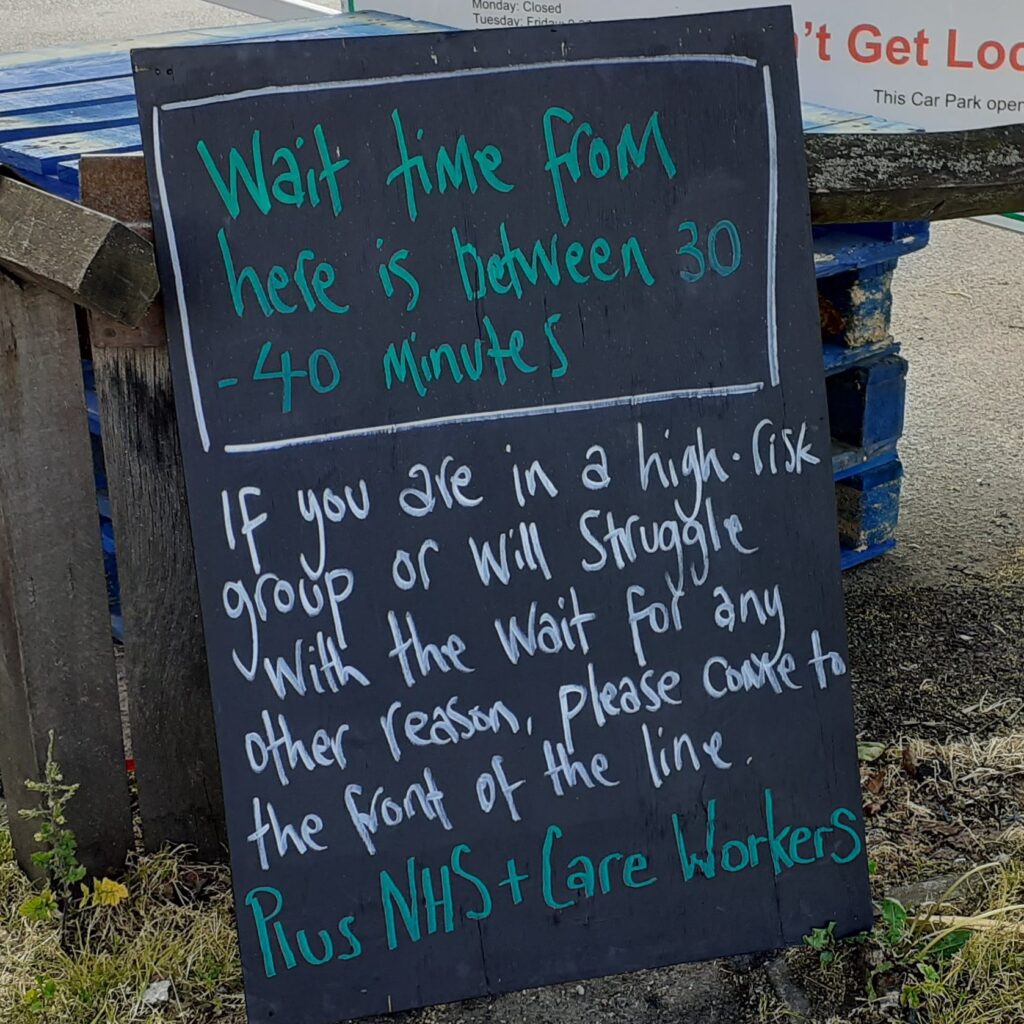
The early days of the pandemic brought challenges we had never expected – being responsible for public health in a new, and honestly, quite frightening way. We also experienced proper panic buying for the first time; not just a phrase, the panic was really palpable, and had quite a tough impact on all of us in the building.
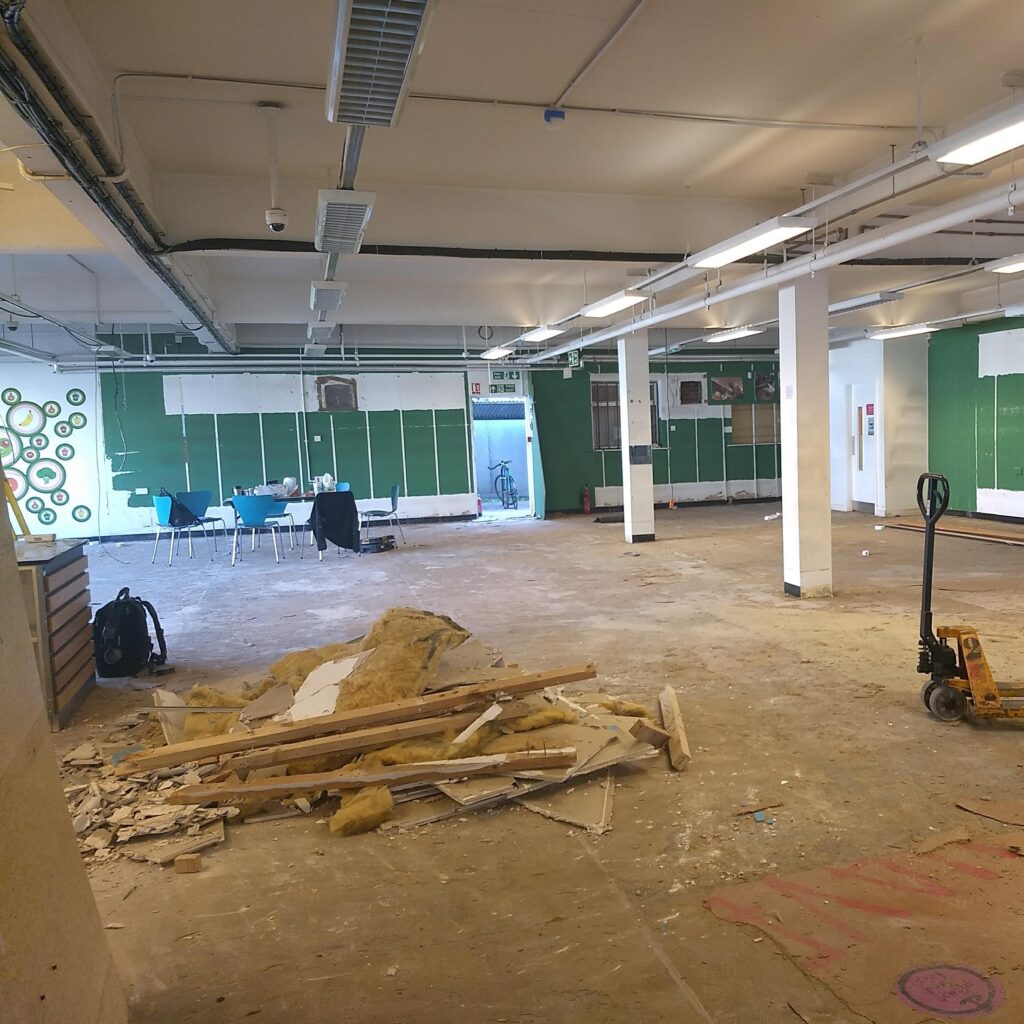
As we adapted to the new normal, more upheaval came along in the form of our long-awaited extension and refurbishment. Badly needed, and eagerly anticipated, but very disruptive – for us and for you! And as these things so often do, it took longer than expected. We closed for two weeks – the first ever closure in Unicorn’s history. When we re-opened, the shop floor was cramped for a while, and combined with the Covid queuing system it all made for a bit of a strange shopping experience. But better days were coming!
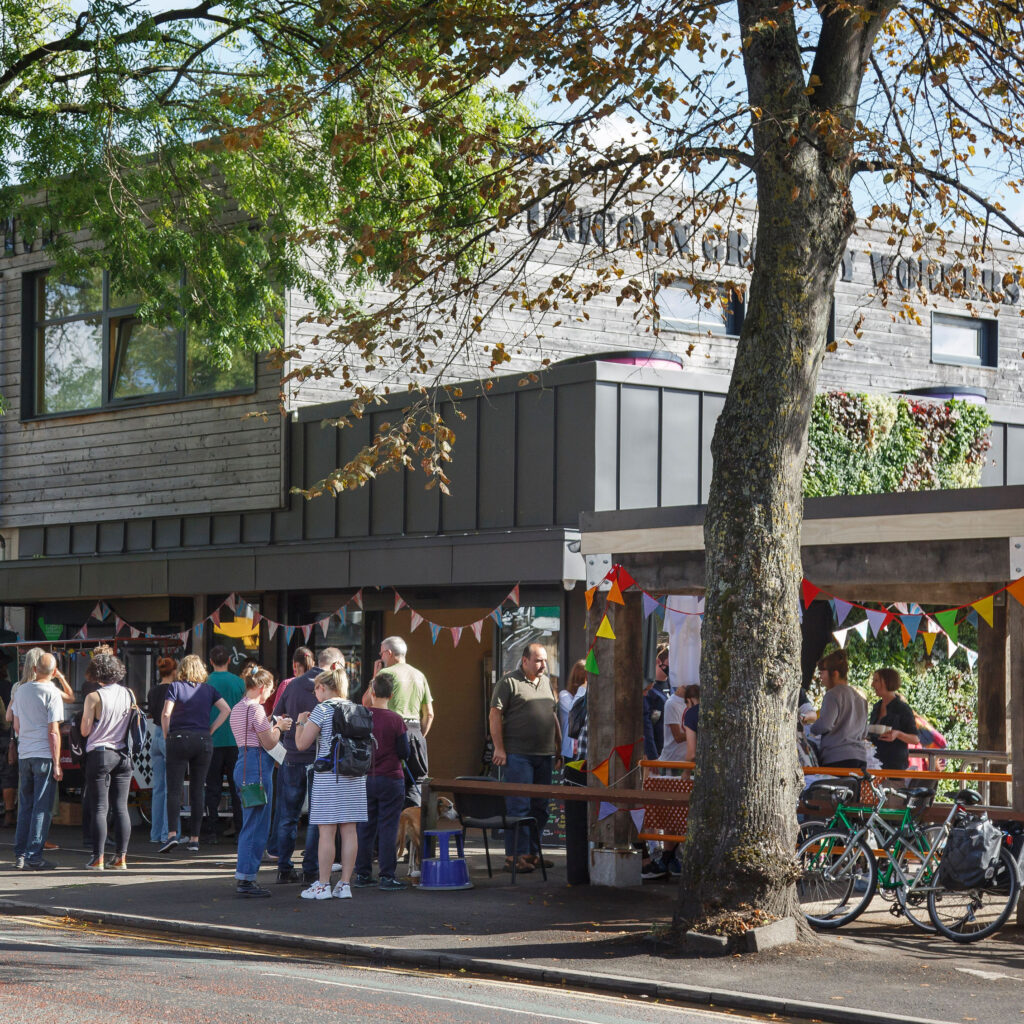
We celebrated the end of the refurb on our 25th birthday in September 2021. We’d done what we set out to do – created more light, more space, more joy, and more bikes (we’d hugely expanded bike parking as part of our strategic aim to increase cycle journeys) – and the grand reopening was a very happy day for us all. Loads of Black Cat cake, speeches, a brass band, a DJ, free Tibetan Kitchen food, a quiz with giveaways from SolidariTee, and SUNSHINE… it felt like an oasis of joy amidst some darker days.
A turbulent and troubling few years for the UK; with Brexit trauma dragging on endlessly, the consequences of a decade of needless austerity becoming ever-more visible, and the twin ecological crises of biodiversity collapse and climate change becoming ever-more pressing. Unicorn marked the first ever Global Climate Strike by briefly downing tools on the day, hosting a banner-making session and sending a delegation of co-op members up to the march, joining many, many customers there too (the shop was almost empty!). We made climate change a priority in the allocation of our UK donations fund, as well as continuing to support grassroots climate change adaptation & mitigation projects in the Global South. After years of supporting community opposition to fracking, we warmly welcomed the news that it was to be halted, albeit by a government that had wasted years ignoring the science, lagging far behind the rest of the UK (and all the other major political parties).
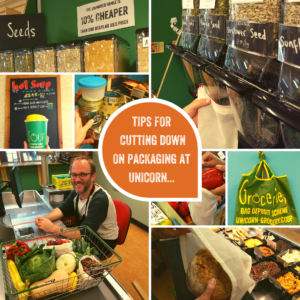
2019 saw us launch our ‘unpacked’ range, bulk goods available to dispense into re-used containers. Our range has always been far less ‘packaged’ than the norm but this marked the start of a really exciting new era with loads more potential for ditching single-use packaging of all kinds; we look forward to where it will take us! Deli pot re-use reached nearly 50% by late 2019, and we dispensed our last ever plastic carrier in favour of a rentable cloth ‘deposit bag’ made from recycled plastic bottles. To similar ends, we also had a water bottle refill station installed outside for customers and passers-by.
In terms of our co-operative governance, we did some learning and made significant changes to our democratic management structure, to adapt to the growth in the number of worker/directors and keep things agile as well as democratic. We use an adapted form of sociocratic governance – for the geeks; here’s a summary!
Finally, we felt very loved after a whole heap of awards! We were named 2017’s Best Food Retailer at the BBC Food & Farming Awards and the Soil Association’s Best Independent Retailer the year after, followed in 2019 by Lancashire Life’s Independent Retailer of the Year award and Manchester Food & Drink Festival’s Food & Drink Retailer of the Year. Oh and we came top of Ethical Consumer’s national supermarket ranking. We’re not in it for the glory but we are proud to demonstrate what a worker-owned business with values can achieve….and not despite those factors, but because of them. Onwards!
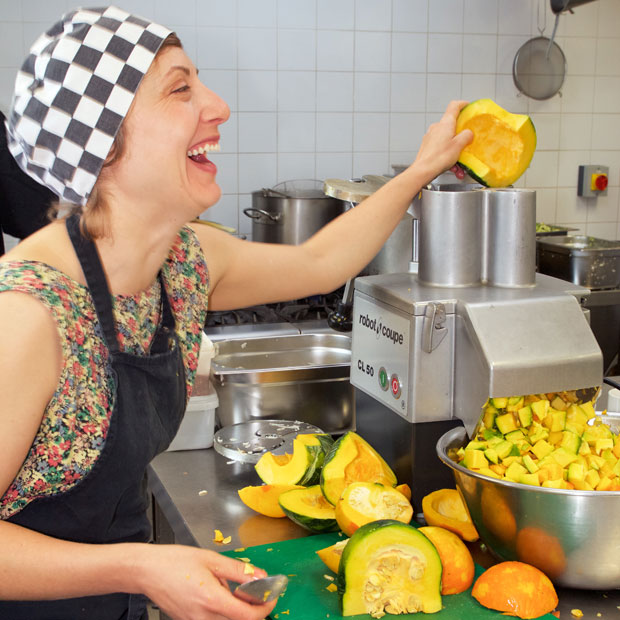
Food prep at Unicorn reached a milestone when we created a purpose-built kitchen for making our soups, salads and baked goods, which had previously been prepared in the cramped quarters behind the deli counter. The kitchen was part of a wider renovation project, in which we replaced the windows and leaking roof, insulated the walls and cladded the outside in Scottish larch. 2015 also saw us start work with the new Fair Tax Mark scheme, and were certified the following year as a Fair Tax business.
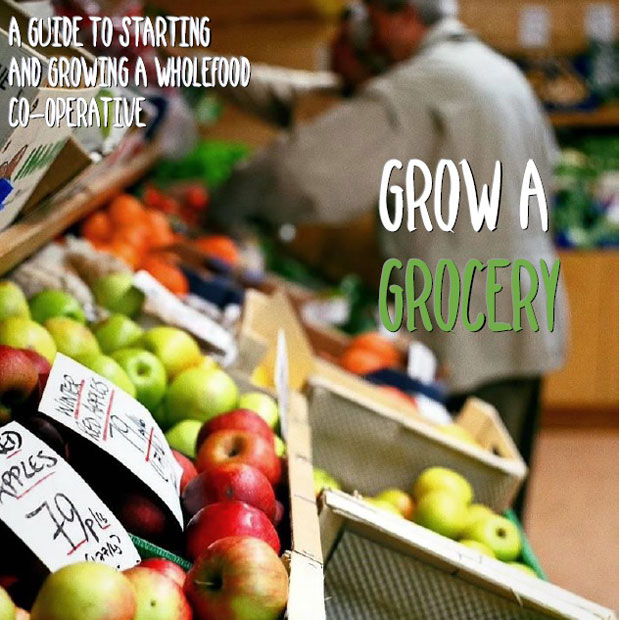
Despite global economic instability, sales rose 10% on the previous year. A growing feeling amongst the membership that our model was something special led us to create our Grow a Grocery guide, with lots of help and funding from Sustain and their Food Co-ops project. The guide walked potential grocers through all areas of the business, in the hope that it would make starting new, likeminded shops an easier process and help existing shops develop or expand. It has since been downloaded over one thousand times.
2010 was also the year that we decided to grow our ready-to-go food offer, and the keen cooks of Unicorn started turning their passion into a commercial proposition.
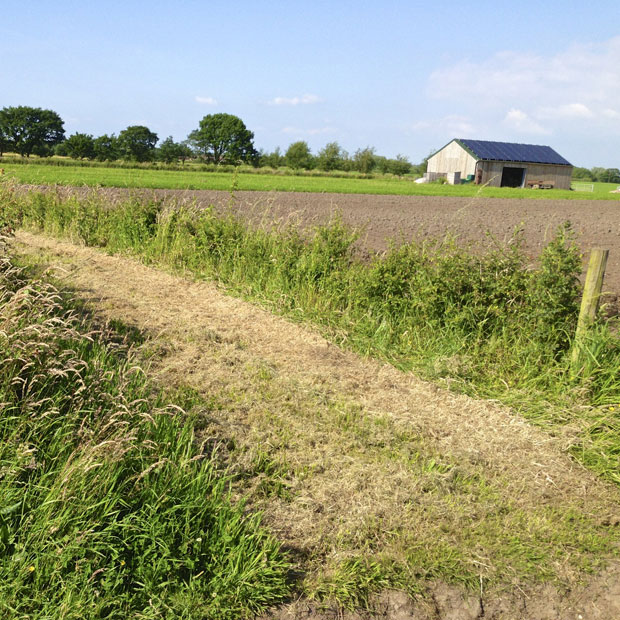
Sales growth had slowed right down after an intense few years, but there was plenty to do. We built our rooftop wildlife garden and pond and invested in 21 acres of prime growing land near Leigh, just under 14 miles by road from the shop.
A new co-op was formed to establish a veg-growing business at the site, and in the subsequent years, two bare hay meadows were transformed into a proper, almost self-contained farm, including a 200 sq metre barn, borehole and irrigation system, connection to the national grid and 60 solar panels, hundreds of metres of native hedging to provide habitat for birds and small mammals, and a compost toilet for staff and visitors. For a whole host of reasons however, the business did not proved viable, and Moss Brook Growers are now taking an extended break from growing in order to let the land recover from drainage issues. In the meantime, we are investigating various options for the future use of the land.
2004-5 saw a 50% growth in sales, way beyond anything we could have ever predicted. In response, membership doubled in two years, reaching 31 by 2005, and our governance and management structure was reorganised to accommodate the growing number of member-owners. Still no boss though! (well, that’s all of us).
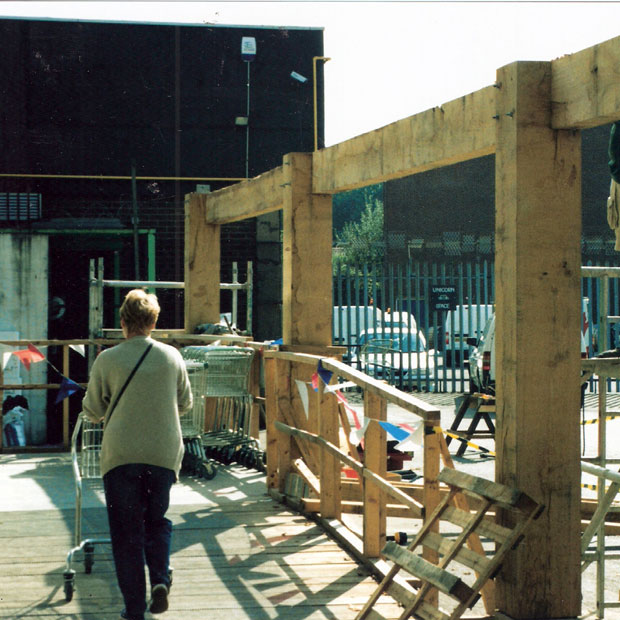
A big year. Unicorn’s landlords decided to sell up, so we had three options – close, relocate, or buy the whole site ourselves.
We all know how that ended! An amazing outpouring of support from our community enabled us to raise £350,000 in customer loanstock, which together with other loan finance made us the proud owners of a 10,000ft² site, doubling our shop floor space in one go. We added a third till and crucially, we became visible from the main road, which may explain what happened the following year!
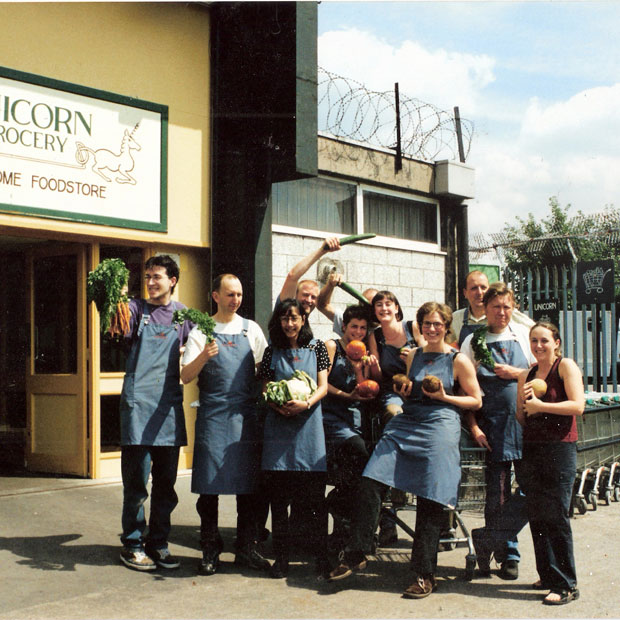
Year five, and sales had already grown from £275,000 in the first full year of trading to well over £1 million.Still sharing the ground floor with another organisation, we were tucked away in the side of the building furthest from the main road, so couldn’t be seen unless you knew to look. We were a bit of a secret, until you found us!
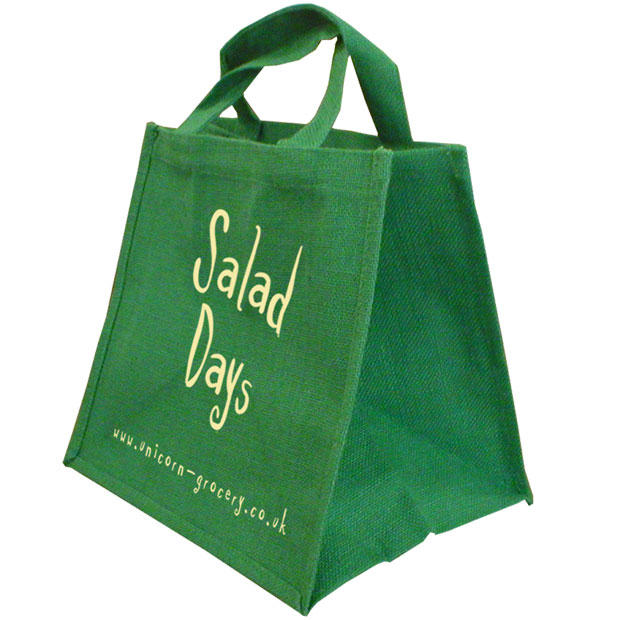
Goodbye Unicorns and Celtic knots – this was the year that a new apple logo freshened up Unicorn’s image, and better embodied the friendly, fresh feeling inside the shop. The now-omnipresent Unicorn jute bags also made their first ever appearance on our shelves and were wildly popular – how had we ever managed without them!?
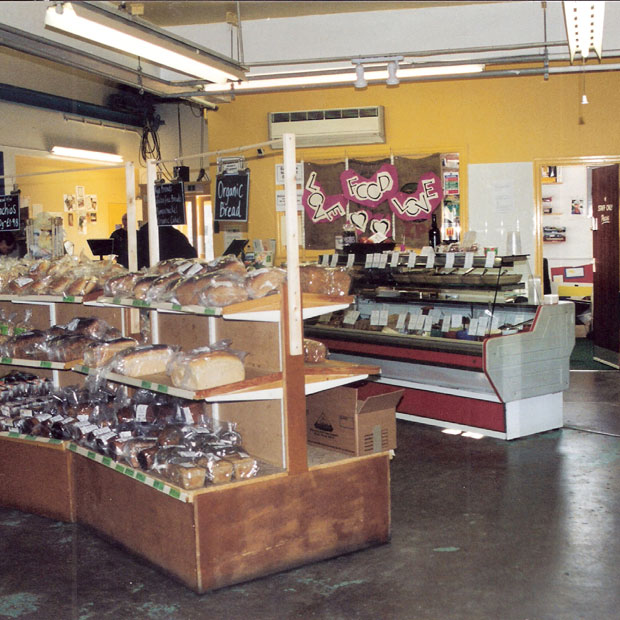
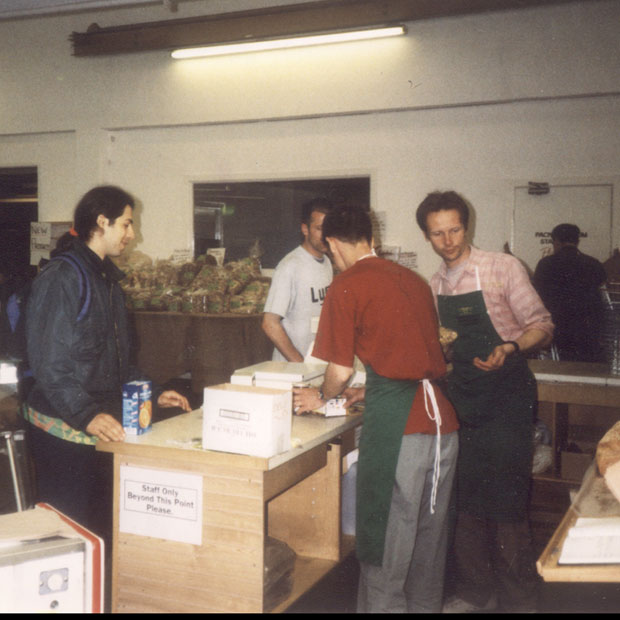
Finding suitable premises – large enough to accommodate the bulk-buying and supermarket-scale range that was so fundamental to the vision, and yet central enough to provide sufficient passing trade – was a major challenge. The (now two-person) working group scoured South Manchester….if things had been different, Unicorn could have ended up in Levenshulme, Withington, Didsbury, Northenden or Sale! A large, basic space on the (then) edge of Chorlton finally fit the bill, and a lease was signed in August 1996.
September saw two years’ incredibly hard, unpaid graft crystalise into a busy first day’s trading. A two person working group had swelled as Unicorn approached finding premises, reaching six by opening day. Sales grew quicker than our cautious forecasting and we were quickly recruiting again, reaching ten members by the end of the first trading year. Woop!
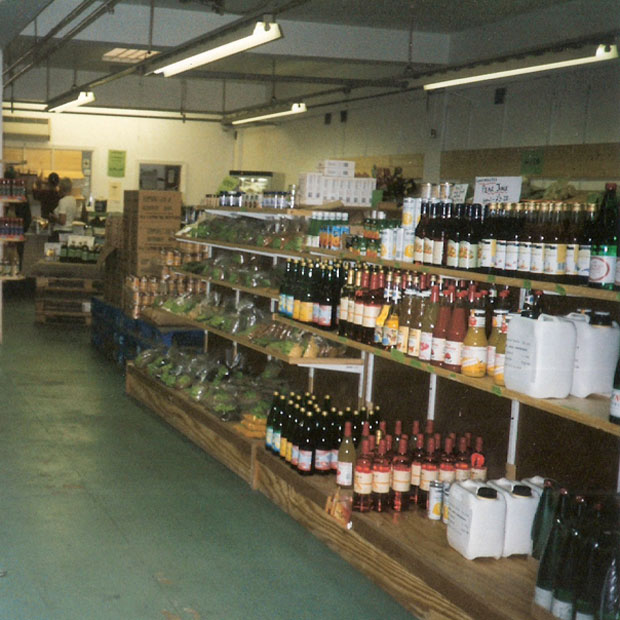
Unicorn was formally registered on 8th August 1995, but whilst Manchester’s Oasis battled Blur in the pop charts, Unicorn’s working group were battling a somewhat sceptical reception from potential sources of finance for this co-operative enterprise, from an audience unfamiliar with worker co-operatives, and unconvinced by the viability of the radical retail model they were proposing. (No animal products?! No management hierarchy?! No way!!). Grant-financing was soon dismissed as improbable, and a lot of graft went into financial planning based on raising loan capital, with Co-operative & Community Finance and other friendly backers eventually outweighing the sceptics at the banks.